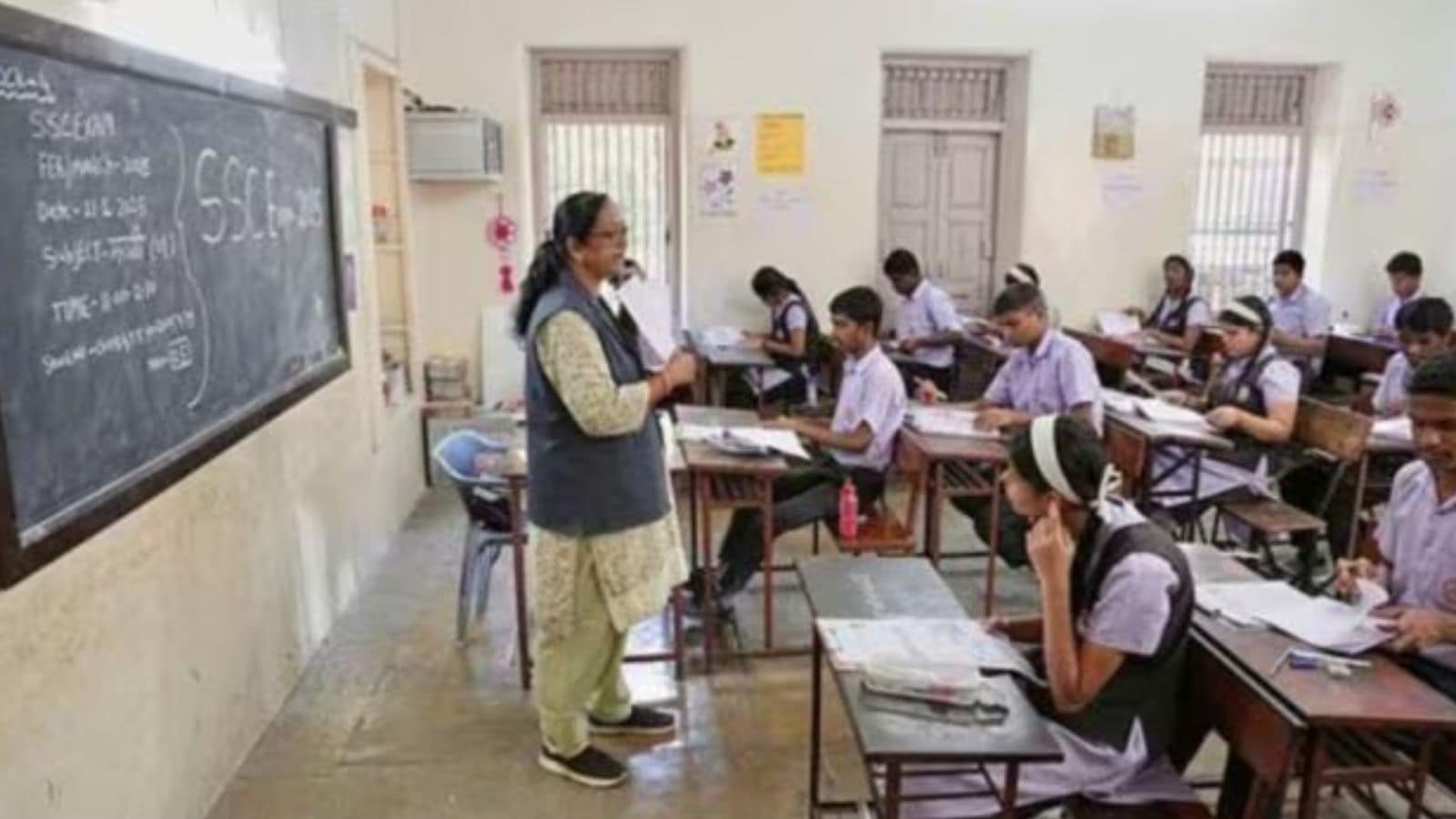
As an ongoing initiative, as many as 117 government schools are part of this effort, and 21 private schools have also been covered (File Photo)
From maternal and child health to reproductive health, the UT Health Department has taken a step further to focus on adolescents and their mental and physical well-being by reaching out to government schools in Chandigarh, as well as some private ones.
The Adolescent Clinic of the Department, explains Dr Suman Singh, Director Health Services, is an effort to address current issues adolescents are facing, be it digital addiction, substance and tobacco use, lifestyle diseases, consumption of junk food, stress, sleep deprivation etc. “We began the programme with menstrual hygiene, and we touch on the topics, keeping in mind the current problems students are facing, and that’s why schools are the ideal place to take this endeavour. We have peer educators, two teachers, and two students who take this effort forward,” explains Singh.
As an ongoing initiative, as many as 117 government schools are part of this effort, and 21 private schools have also been covered. Moving away from the staid format, audio-visual aids, movie screenings, games, and interactive sessions are used to reach out to teenage students. “I remember some teachers sharing how a group of students are not attentive in class and are often caught napping. When the peer educators spoke to them as part of the interactions, they realised that these groups had late-night gaming sessions, and would continue their games late into the night, and so would sleep in the class. This situation was addressed with some counselling and discussions. Stress and anxiety are rising in this age group, and during PTMs, the mental and emotional health of students is taken care of,” says Singh.
These sessions help students in academic performance, especially those who have high digital addiction. Teachers also reach out to the Health Department in case of students who are lagging, and in these cases, screening of children is done in the OPDs, and for deafness, blindness, congenital heart diseases and other disorders. “Early diagnosis is the key, so that children can adapt and be part of the school activities,” says Dr Singh, adding that by training four people in every school, they have been able to make the programme effective and far-reaching.
In another initiative, ‘Swasth Navyuva Swasth Bharat’, a school health programme by the Homi Bhabha Cancer Hospital and Research Centre (HBCHRC) in Chandigarh, has reached out to 3,412 students in 46 schools on health education on tobacco, and 1,523 students in 26 schools on diet awareness. “The primary focus of the programme is to raise awareness among youth about the importance of healthy living and prevent non-communicable diseases through the adoption of a healthy lifestyle,” explains Dr Vandita Pahwa, from the Preventive Oncology Department. The HBCHRC has done in the past few years has covered schools in Sangrur, Mohali, and Chandigarh, with the major focus areas being prevention of chronic diseases, awareness of habits to enhance a healthy lifestyle for children, promoting positive mental health, addiction prevention, empowering informed choices, social and peer influence, importance of physical activity and a healthy lifestyle.
“The idea is to create healthy role models for future generations. The key is to start young, as it is at this age that habits are formed,” sums up Dr Pahwa.