Sino-Japanese Tensions Flare at United Nations Over Taiwan
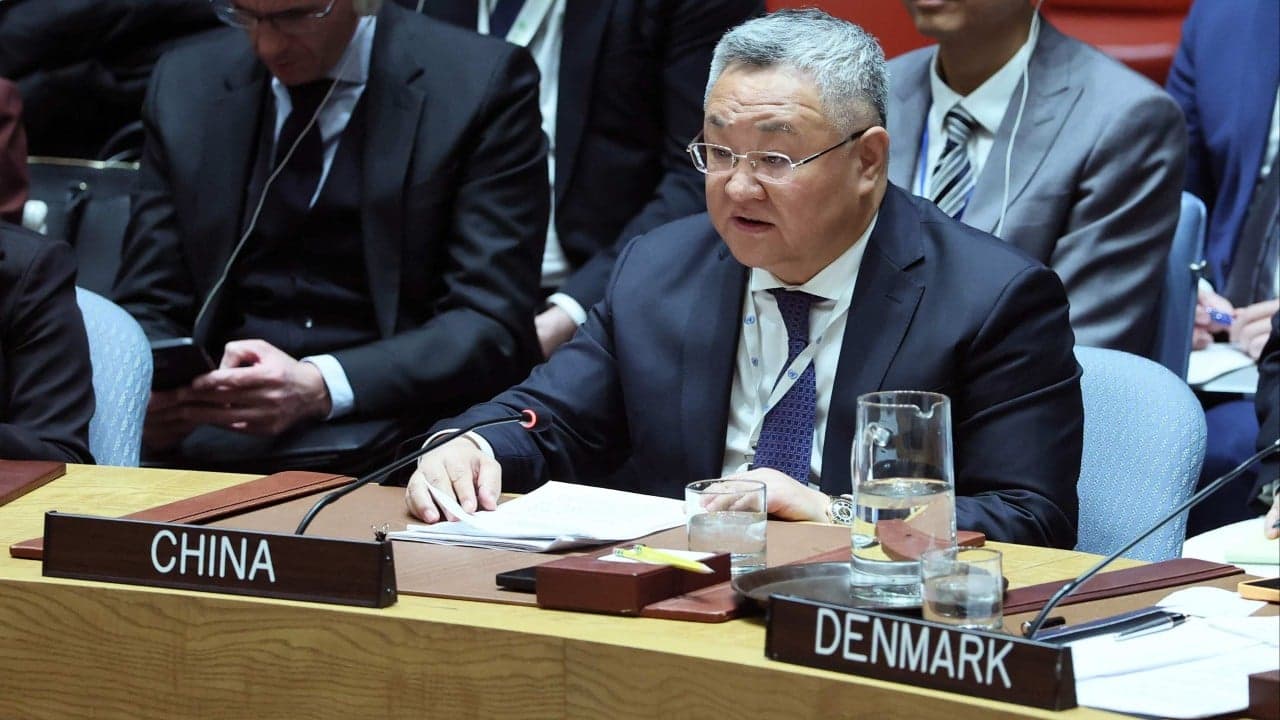
A diplomatic row between China and Japan is intensifying at the United Nations, triggered by remarks made by Japanese Prime Minister Sanae Takaichi regarding Taiwan. China's ambassador to the UN, Fu Cong, has escalated the dispute by sending a second letter to Secretary-General Antonio Guterres, formally protesting Takaichi’s stance on Taiwan and describing it as the most significant impediment to improved bilateral relations between Beijing and Tokyo.
Fu’s communication is a direct response to his Japanese counterpart, Kazuyuki Yamazaki, who last week accused China of actively hindering constructive dialogue and engagement between the two nations. The back-and-forth at the UN underscores the delicate and often strained relationship between the two Asian powers, particularly concerning the issue of Taiwan.
Taiwan's Contentious Status
The core of the dispute lies in differing perspectives on Taiwan's sovereignty. China views Taiwan as a renegade province that must eventually be reunified with the mainland, by force if necessary. This position is vehemently opposed by Taiwan, which maintains it is a self-governed democratic entity with its own distinct identity. Nations around the globe navigate this sensitive issue, often adhering to a "One China Policy" that acknowledges Beijing's position without explicitly endorsing it.
Takaichi’s remarks, the specific details of which have not been publicly disclosed in this context, have evidently crossed a red line for Beijing, prompting the formal complaint at the UN. The Chinese government views any expression that could be interpreted as supporting Taiwan's independence as a direct challenge to its territorial integrity and a violation of established diplomatic norms.
Implications for Regional Stability
The escalating tensions between China and Japan have broader implications for regional stability in East Asia. Both nations are major economic and military powers, and any deterioration in their relationship can have ripple effects throughout the region. The dispute also highlights the increasing assertiveness of China on the international stage, particularly concerning issues it considers to be core national interests.
The United States, a key ally of Japan and a strong supporter of Taiwan, is closely monitoring the situation. Washington has consistently reaffirmed its commitment to Taiwan's defense and has warned China against using force to alter the status quo. The US Navy regularly conducts freedom of navigation operations in the Taiwan Strait, further signaling its resolve to maintain stability in the region.
Future Outlook
It remains to be seen how the diplomatic dispute will unfold. China has called on Japan to retract Takaichi’s remarks and to reaffirm its commitment to the "One China Policy." However, it is unlikely that Japan will back down, given its close ties with Taiwan and its strategic alliance with the United States. The ongoing tensions underscore the complex geopolitical dynamics in East Asia and the challenges of managing relations between major powers with competing interests.
The situation serves as a reminder of the critical importance of dialogue and diplomacy in preventing misunderstandings and miscalculations that could escalate into more serious conflicts. The international community will be watching closely to see how China and Japan navigate this latest challenge in their relationship.

