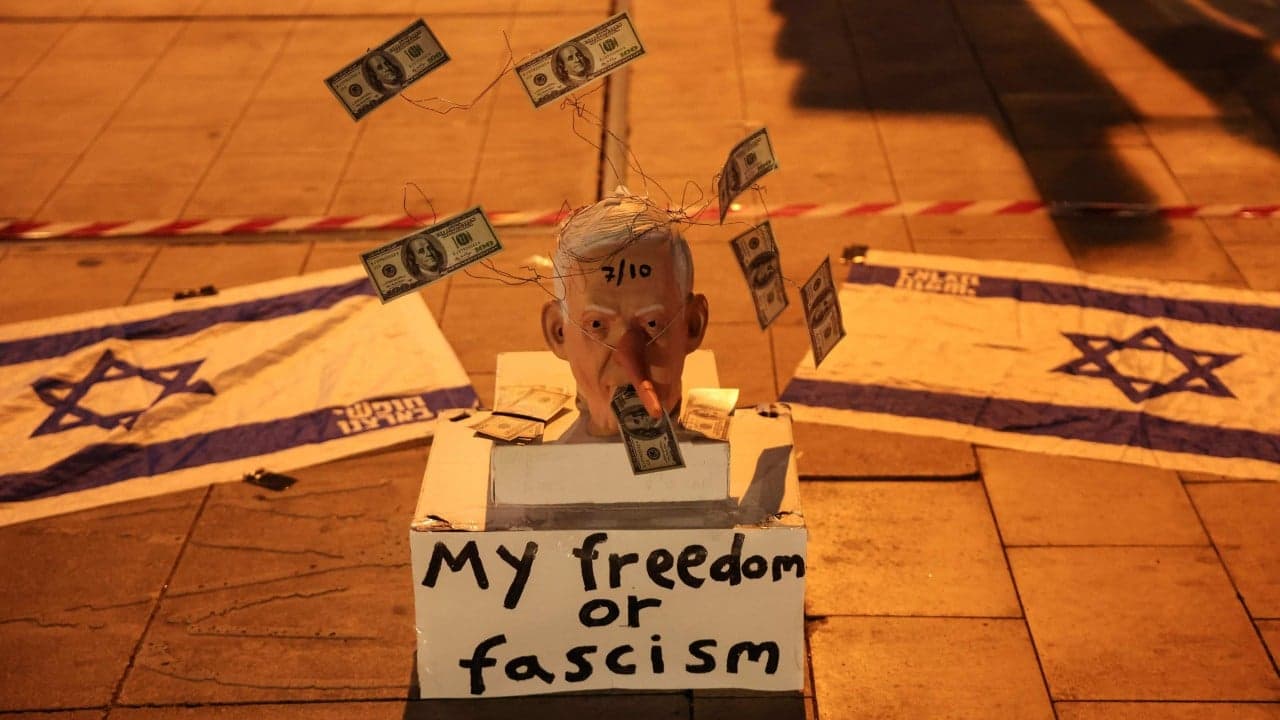
Netanyahu's Pardon Request
Israeli Prime Minister Benjamin Netanyahu has formally requested a pardon from the country's president, Isaac Herzog, regarding his long-standing corruption trial. The request, submitted on Sunday, marks a significant development in the legal and political saga that has shadowed Netanyahu's leadership for years. Netanyahu, who holds the record as Israel’s longest-serving prime minister, contends that the ongoing criminal proceedings are creating an "impossible demand" that obstructs his capacity to effectively govern the nation.
In a letter delivered to the president's office, Netanyahu's legal team asserted that he continues to maintain his innocence and believes that the legal processes will ultimately demonstrate this. However, they also conveyed his conviction that seeking a pardon would serve the broader interests of Israel, potentially mitigating the deep divisions the trial has exacerbated within the country.
The Corruption Charges
Netanyahu faces a series of serious charges, including bribery, fraud, and breach of trust, stemming from multiple investigations into his conduct while in office. These allegations revolve around accusations that he accepted illicit gifts and favors from wealthy businessmen in exchange for preferential treatment and used his position to advance the interests of media moguls in return for positive press coverage.
The trial, which has been underway for several years, has been marked by lengthy testimonies, legal wrangling, and intense public scrutiny. Netanyahu has consistently denied all wrongdoing, characterizing the charges as a politically motivated witch hunt orchestrated by his opponents and the media.
Political Context and Public Reaction
Netanyahu's pardon request arrives at a critical juncture in Israeli politics. The nation has experienced a period of considerable political instability, with multiple elections held in quick succession and fragile coalition governments struggling to maintain power. The corruption trial has added further fuel to the fire, polarizing public opinion and fueling widespread protests.
The request for a pardon has already sparked a fierce debate, with opponents condemning it as an attempt to evade justice and undermine the rule of law. Supporters, on the other hand, argue that it could pave the way for national reconciliation and allow Netanyahu to focus on addressing the pressing challenges facing the country, especially those related to security and the economy. The prospect of a pardon also raises complex legal and ethical questions about the balance between justice, mercy, and the public interest.
The President's Decision
Ultimately, the decision on whether to grant Netanyahu a pardon rests with President Herzog. The president will likely weigh various factors, including the severity of the charges, the potential impact on public trust in the justice system, and the broader implications for Israeli society. It is a decision fraught with political and legal complexities, one that will undoubtedly shape Netanyahu's legacy and the future of Israeli politics.
The decision is not expected to be made swiftly. President Herzog is anticipated to consult with legal experts, political figures, and members of the public before reaching a conclusion. The outcome of this process will have far-reaching consequences for Netanyahu, for Israel's political landscape, and for the principles of accountability and justice within the country.

