Investing in a Sustainable Blue Economy: A Triple-Return Opportunity
In an era defined by climate, geopolitical, and financial instability, a unique asset class offering significant environmental, social, and financial returns is being overlooked by investors: the ocean economy. However, realizing the potential of this blue economy hinges on establishing a robust foundation for ocean finance.
When evaluating investment opportunities, investors naturally inquire about the nature of the opportunity, associated risks, and expected returns. The ocean presents a compelling answer to the latter: a resilient and sustainable blue economy promises immense environmental, social, and financial benefits.
Historically, the ocean has been exploited as a free-for-all resource, subjected to overfishing, drilling, pollution, and neglect. This outdated perspective is both perilous and costly. As the world's largest carbon sink, a biodiversity hotspot, and a climate regulator, the ocean is fundamental to food systems, economic growth, and weather stability. Therefore, promoting regenerative ocean solutions provides a buffer against systemic instability by safeguarding one of Earth's most vital stabilizing forces.
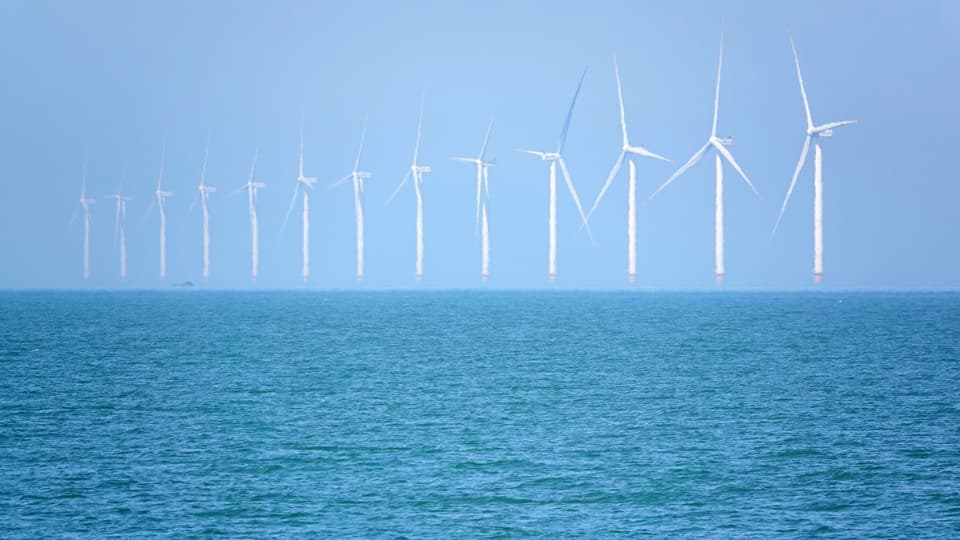
Despite the fact that healthy marine ecosystems are productive economic assets that appreciate over time, they remain significantly undervalued. The OECD’s "The Ocean Economy to 2050" report indicates that the ocean economy doubled in real terms between 1995 and 2020, contributing $2.6 trillion to global GDP and employing over 100 million people. If considered a country, the ocean would rank as the world’s fifth-largest economy. Marine sectors that bolster resilience, such as offshore renewables, sustainable aquaculture, carbon sequestration, and blue technology, are poised for rapid expansion.
Forward-thinking investors, recognizing the ocean as the next frontier of innovation and climate adaptation, are prepared to act decisively. Delaying action could result in a missed opportunity. According to a report by the World Wide Fund for Nature, in collaboration with the Ocean Risk and Resilience Action Alliance and Metabolic, continued degradation of the ocean could jeopardize up to $8.5 trillion of value across 66% of globally listed companies within the next 15 years. Industries most vulnerable include commercial fisheries, coastal real estate, tourism, maritime infrastructure, and ports. Adopting a more sustainable approach could mitigate this risk by over $5.1 trillion.
Investors often react to climate and biodiversity risks by minimizing losses and divesting, leading to market downturns. Consequently, they have yet to fully capitalize on the multi-trillion-dollar opportunity presented by a regenerative ocean economy. Currently, less than 0.01% of total investments, less than 1% of international philanthropic funding, and less than 1% of official development assistance are directed towards the ocean economy. Venture-capital funding has also fallen short: for example, marine renewable-energy startups received only $300 million in 2023, while scaling floating wind turbines, as well as wave and tidal energy, requires approximately $32 billion in annual investment to bridge the emissions gap by 2050.
Envisioning a future where healthy markets, thriving coastal communities, and flourishing ocean ecosystems coexist harmoniously is not far-fetched. Sustainable seafood production is achievable through habitat protection from industrial pollution, responsible wild catch and aquaculture practices, and aligned consumer behavior. However, investors face a “transition wall” – a discrepancy between short-term return expectations and long-term value creation. Institutional capital is currently limited by seven- to ten-year horizons and risk-averse structures.
Against this backdrop, high-net-worth individuals, whose wealth reached $90.5 trillion in 2024, represent a largely untapped investor base. The anticipated transfer of $83 trillion from baby boomers to their descendants over the next two decades will further reshape asset allocation. Many of these individuals manage their wealth through family offices, which are uniquely positioned to allocate capital across the spectrum, from philanthropic to market-rate, and possess the tools and flexibility to generate returns while fostering positive change in the ocean economy.
The Blue Economy and Finance Forum in Monaco, a special event of the third United Nations Ocean Conference, highlighted the investability of ocean-positive projects. The UN Climate Change Conference in Belém, Brazil, built upon this momentum, further emphasizing the ocean's role as both a crucial climate regulator and a significant investment opportunity.
To seize this opportunity, building the foundational architecture for ocean finance is paramount. This includes early-stage support, de-risking instruments, and innovative business models that align investments with the ocean’s regenerative potential. Blended finance structures, concessionary capital, and tailored vehicles that cater to investors across the continuum – from philanthropic to institutional – are essential.
Preserving the world’s oceans is not just a moral obligation; it is also a sound financial strategy. Investing in ocean resilience is a forward-looking hedge, not a mere expense. Early adopters will shape the instruments, define the standards, and reap the benefits.
Ocean health is intrinsically linked to planetary health, which forms the basis of all economic value. Consequently, capital managers – whether at family offices, philanthropies, pension funds, or other private investment vehicles – should prioritize gaining exposure to the blue economy.

