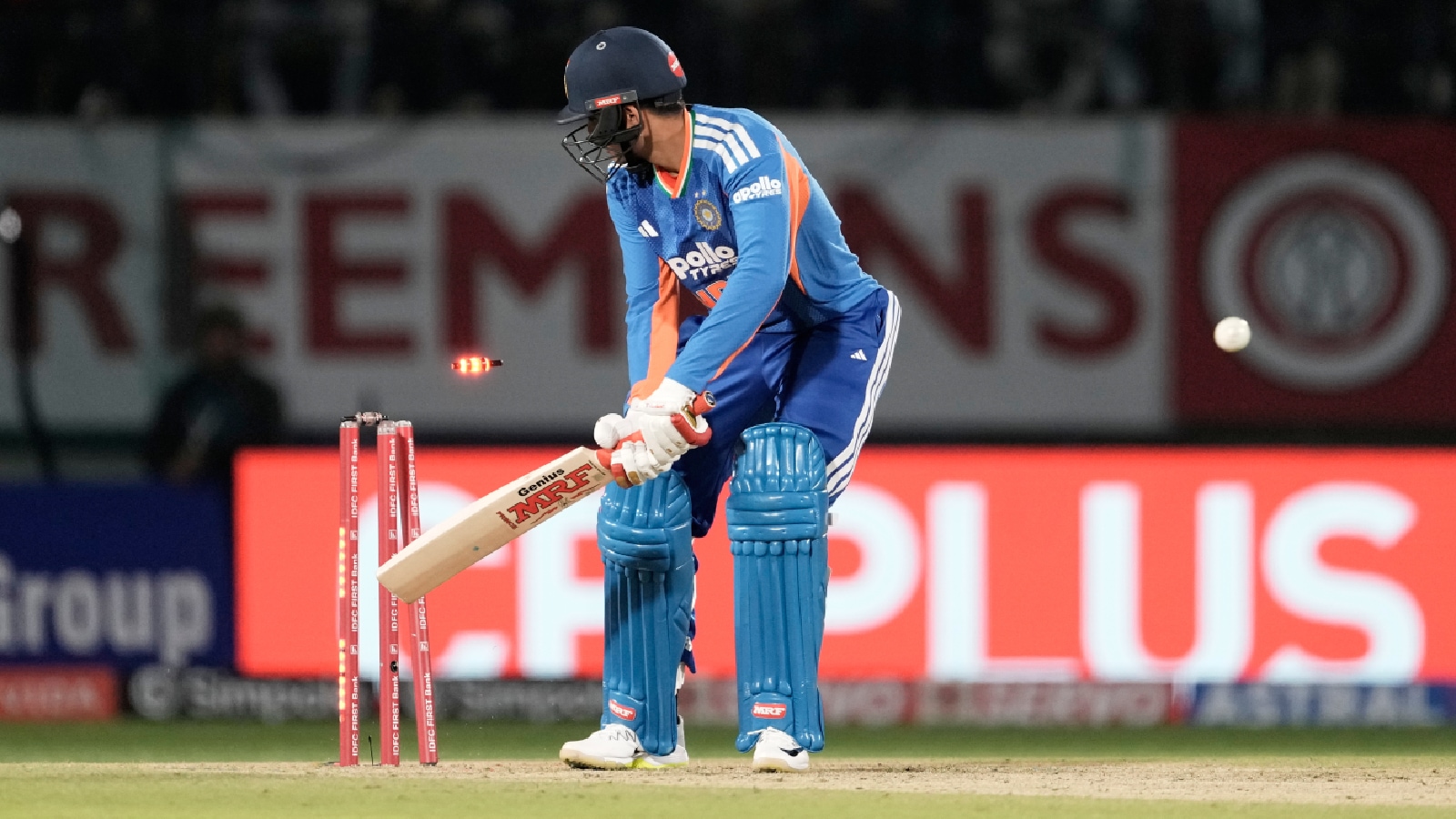
With less than 50 days to go for their T20 World Cup title defence, India announced a squad that left many surprised, particularly with the omission of Shubman Gill. The 26-year-old had been appointed vice-captain in August ahead of the Asia Cup 2025, but his absence now signals a clear shift in approach from the team management. Gill, who has struggled in the format since returning for the continental event earlier this year, continues to wait for his first appearance in the T20 marquee event, The move is indicative of a modern T20 philosophy built around flexibility, depth, and clearly defined roles rather than reputations. Captain Suryakumar Yadav and the others in the team management appear to have prioritised balance across all three phases of the game – powerplay, middle overs, and death – while keeping multiple tactical options open depending on conditions.
Suryakumar and chief selector Ajit Agarkar stressed repeatedly that Gill’s omission was down to wanting a wicketkeeper-batter in the top order, which opens the door for Sanju Samson to reclaim his place as Abhishek Sharma’s partner. The 31-year-old, who made three hundreds in the shortest format in 2024, batted in the middle-order at the Asia Cup in the UAE, a decision that did not produce the desired results.
𝗧𝗶𝘁𝗹𝗲 𝗱𝗲𝗳𝗲𝗻𝘀𝗲 on their minds! 🏆
🎥 The 1⃣5⃣-member #TeamIndia squad that will aim to clinch another Men’s #T20WorldCup, this time on home soil 🙌 🇮🇳#MenInBlue pic.twitter.com/iLRv7lDbr2
The presence of a wicketkeeper-opener allows the team to strengthen the middle and lower order without compromising balance. Ishan Kishan, the second wicketkeeper in the squad, has been picked on the back of an outstanding Syed Mushtaq Ali Trophy campaign, where he made 517 runs in 10 matches and led Jharkhand to the title.
“He (Kishan) bats at the top in white-ball cricket. He’s been in good form. He’s played before for India. He has a double hundred in one-day cricket. Abhishek Sharma is there as well. When you’re looking at constructing a team, you’re looking for the right kind of backups. We felt he’s the best candidate at this point,” Agarkar said. “It’s about what combinations the team management is comfortable playing. We felt the keeper at the top gives us solidity.”
Tilak Varma is likely to slot in at No.3, offering stability against both pace and spin, while maintaining an aggressive scoring rate. Suryakumar confirmed that he intends to bat at No. 4. The 35-year-old said that he was aware of not being among the runs in recent times, but would use the New Zealand series to regain his form.
Squad built for tactical adaptability across all three phases, not sentiment or fixed hierarchies
Ishan Kishan's runs in Mushtaq Ali Trophy earned recall Specialists for powerplay, middle overs, and death phases
“Yeh waala patch thoda lamba ho gaya (This patch has lasted a little longer), but I know what to do. I know where things are going wrong. I’ve got time to work on it, especially with the New Zealand series coming up. You’ll see improvement soon,” the skipper said at the press conference.
Hardik Pandya, who was in explosive batting form in the recent South Africa series, is central to the entire combination. As a pace-bowling all-rounder, he allows India to play an extra batter or spinner without weakening the bowling attack. “I want to bat at No. 4. Hardik and others can bat at 5 or 6, depending on comfort. Positions 3 and 4 are settled for now,” Suryakumar said.
Axar Patel, who has been reinstated as the vice-captain, is another crucial piece in the combination. The all-rounder’s value lies not only in his left-arm spin but also in his ability to bat anywhere from five to eight, depending on the situation.
The bowling attack can cover every phase. Jasprit Bumrah remains the leader, offering control at the start and dominance at the death. Arshdeep Singh will complement him with left-arm variation and proven death-overs skill, while Harshit Rana adds pace and hit-the-deck aggression as a third seamer option.
Spin is where the squad shows exceptional depth. Kuldeep Yadav provides a wicket-taking threat through the middle overs, Varun Chakaravarthy offers mystery and match-up value, and the presence of Axar and Washington Sundar ensures variety.
Washington can be used tactically based on match-ups as was the case in Ahmedabad, when he bowled three overs in the powerplay. Shivam Dube’s ability to target spinners and Rinku Singh’s experience as a finisher give India strong control in the 13-20 over phase, an area that often decides T20 matches.
The standout feature of the squad is not the exclusions, but what has been prioritised. India’s squad does not seem like an assemblage of players built for sentiment over safety, but one shaped by match-ups and adaptability. In a format where conditions and momentum can shift within overs, this willingness to move away from fixed hierarchies could ultimately define India’s title defence.