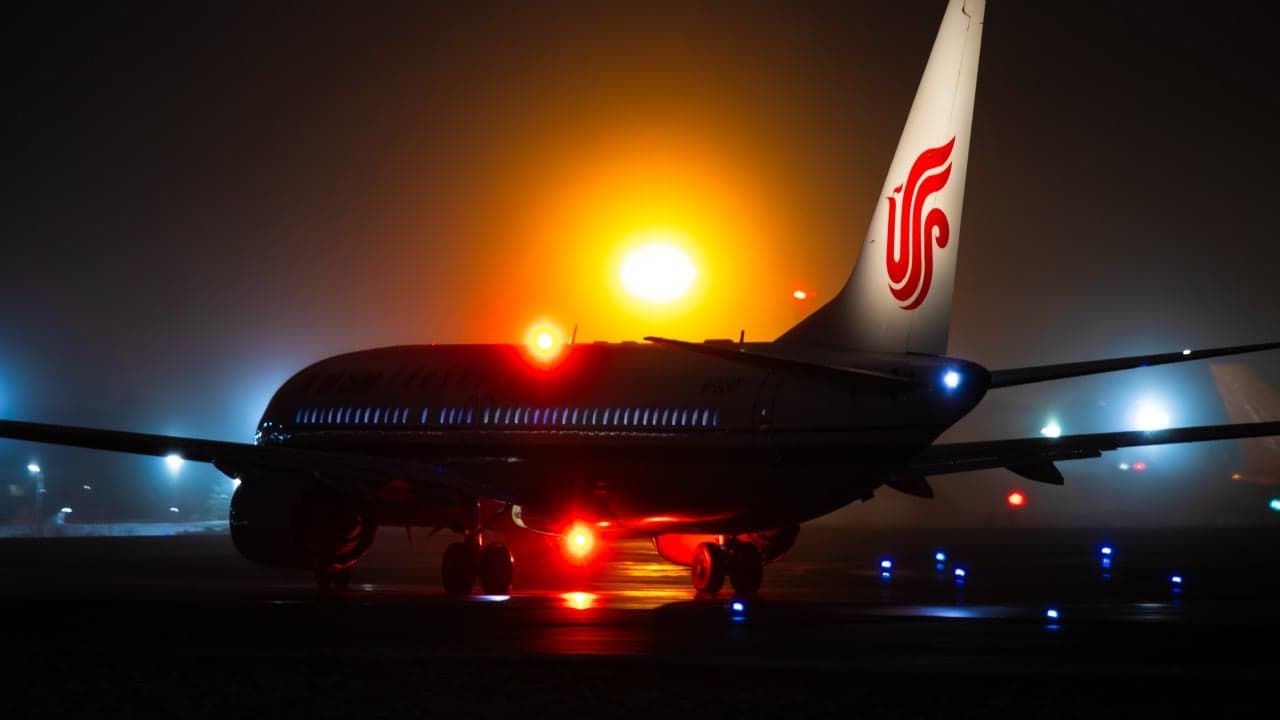
Sino-Japanese Air Travel Disrupted by Political Friction
A significant disruption to air travel between China and Japan is unfolding, with airlines cancelling more than 1,900 flights initially scheduled for December. This represents a staggering 40 percent of the total flights planned between mainland China and Japan for the month, according to data reported by Chinese state broadcaster CCTV and corroborated by independent air travel analysts. The primary driver behind these extensive cancellations is the ongoing political tensions between the two nations, centered around the status of Taiwan.
The cancellations are not merely a logistical inconvenience; they represent a tangible manifestation of the diplomatic strain impacting economic and social connectivity. The routes affected are crucial for business travel, tourism, and cultural exchange, and the sudden reduction in capacity is causing significant headaches for travelers on both sides.
Taiwan as a Point of Contention
The issue of Taiwan remains a persistent flashpoint in Sino-Japanese relations. China views Taiwan as a renegade province to be reunified with the mainland, by force if necessary. Japan, while maintaining unofficial relations with Taiwan, has expressed concerns over China's increasing military activity in the region and its potential impact on regional stability. These differing perspectives contribute to the broader geopolitical tensions that are now directly impacting air travel.
Economic Implications and Beyond
The impact of the flight cancellations extends beyond individual travelers. Businesses that rely on efficient transportation links between China and Japan are also feeling the pinch. Supply chains could be disrupted, and face-to-face meetings, crucial for deal-making and relationship building, become more difficult to arrange. The tourism sector in both countries is also affected, as potential visitors are deterred by the uncertainty and reduced availability of flights.
Li Hanming, an independent air travel analyst, has confirmed the accuracy of the cancellation figures reported by Chinese state media. He also pointed out that the cancellation of flights to Japan effectively halts return flights, since airlines typically schedule routes in pairs. This further exacerbates the travel disruption and underscores the interconnectedness of the aviation network.
Looking Ahead
The duration of the flight cancellations remains uncertain, dependent on the trajectory of Sino-Japanese relations. A de-escalation of tensions surrounding Taiwan would likely lead to a resumption of normal flight schedules. However, as long as the political dispute persists, travelers can anticipate continued disruptions and uncertainty when planning travel between China and Japan.
The situation highlights the vulnerability of various sectors, including aviation, to geopolitical tensions. It also serves as a reminder of the importance of diplomatic dialogue and conflict resolution in maintaining stability and facilitating international cooperation.

