Kazakhstan's Plea to Ukraine
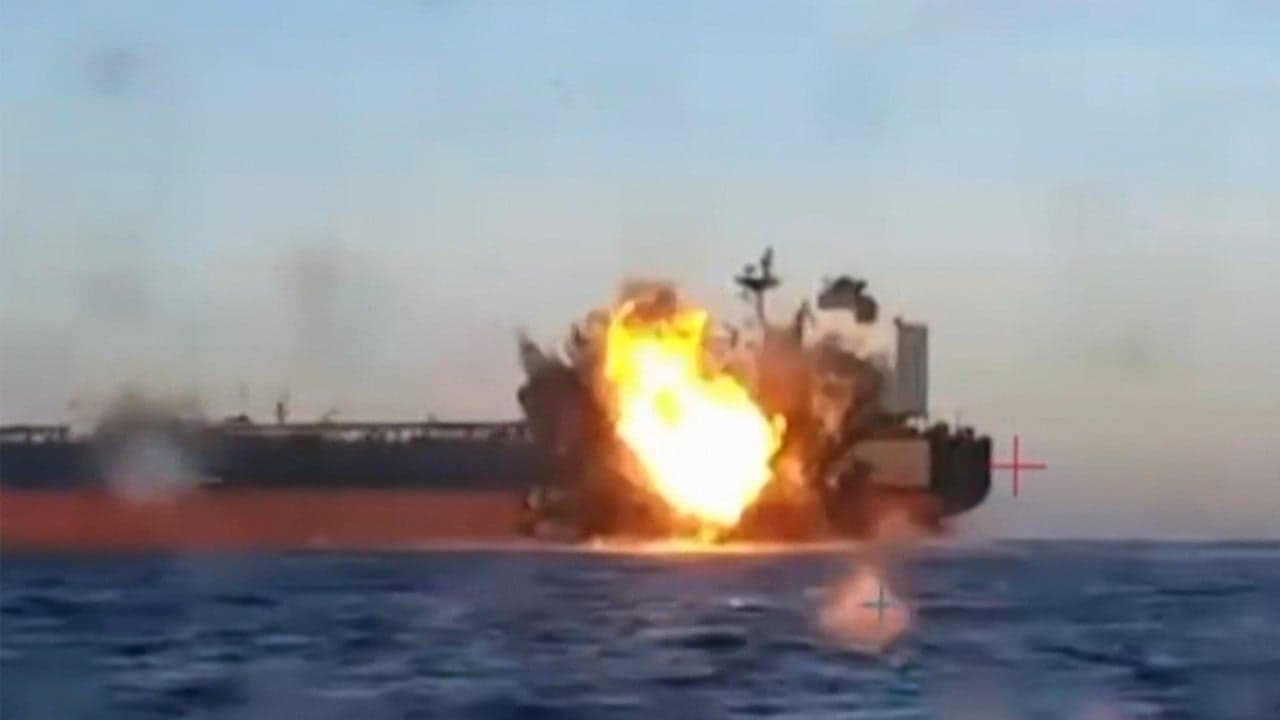
Kazakhstan has formally requested Ukraine to cease its attacks on the Black Sea terminal operated by the Caspian Pipeline Consortium (CPC). This terminal is a vital conduit for global oil supply, handling more than one percent of the world's total oil exports. The appeal follows a significant drone attack that crippled the terminal's loading infrastructure and temporarily halted operations.
Details of the Attack and Damage
The CPC, a consortium comprised of Russian, Kazakh, and US stakeholders, confirmed that its Russian Black Sea terminal sustained substantial damage due to a Ukrainian naval drone strike. Specifically, a mooring point at the terminal was severely affected, leading to a complete cessation of operations. The severity of the damage has raised concerns about the long-term viability of the terminal and its ability to maintain its crucial role in global oil distribution.
Wider Implications for Global Oil Supply
The disruption to the CPC terminal's operations has triggered anxieties within the global energy market. The terminal's capacity to handle over one percent of global oil supplies underscores its significance. Any prolonged outage could potentially lead to price volatility and supply shortages, particularly in regions heavily reliant on CPC-transported oil.
Ukraine's Strategy and Potential Motives
While Ukraine has not officially claimed responsibility for the attack, it is widely believed that the strike is part of a broader strategy to disrupt Russian energy infrastructure and limit Moscow's ability to finance its military operations. These attacks are likely aimed at weakening Russia's economic capabilities and diminishing its leverage in ongoing geopolitical conflicts.
Geopolitical Ramifications
The incident has broader geopolitical ramifications, potentially straining relations between Kazakhstan and Ukraine. Kazakhstan's economy is heavily reliant on oil exports through the CPC pipeline, making it particularly vulnerable to disruptions. The involvement of US shareholders in the CPC also adds a layer of complexity to the situation, potentially involving Western interests in the conflict.
The Future of the CPC and Black Sea Security
The long-term implications of the attack on the CPC terminal remain uncertain. The incident highlights the vulnerability of critical energy infrastructure in the Black Sea region and underscores the need for enhanced security measures. The future of the CPC will likely depend on the ability of stakeholders to repair the damage, mitigate future risks, and navigate the complex geopolitical landscape.
Alternative Routes and Contingency Plans
In the wake of the attack, discussions have emerged regarding alternative oil transportation routes and contingency plans to minimize disruptions. Diversifying export routes and developing alternative supply chains are being considered as potential strategies to reduce reliance on the CPC terminal and enhance energy security. However, these alternatives often involve significant costs and logistical challenges.

