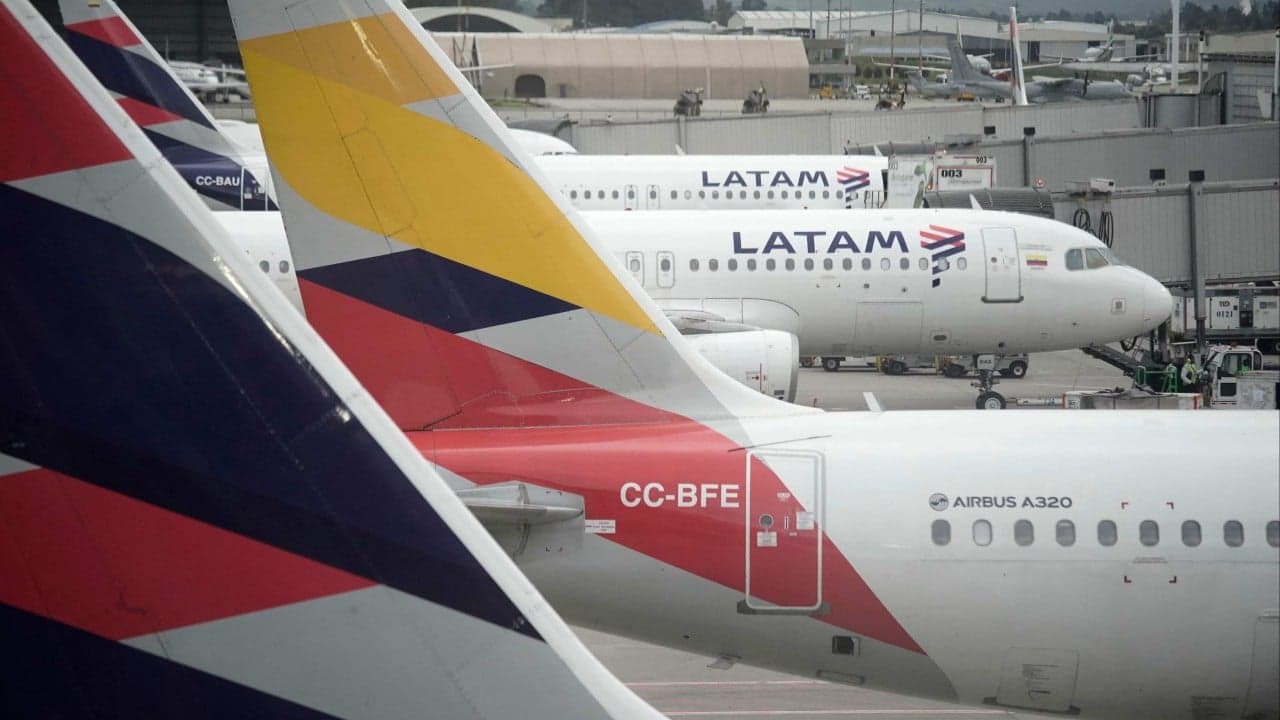
Trump Declares Venezuelan Airspace 'Closed' in Escalation of Pressure
Former US President Donald Trump ignited controversy Saturday by declaring the airspace above and surrounding Venezuela as “closed in its entirety.” The pronouncement, delivered via a post on his Truth Social network, marks a significant escalation in the long-standing tension between the United States and the socialist government of Venezuelan President Nicolas Maduro.
“To all Airlines, Pilots, Drug Dealers, and Human Traffickers,” Trump wrote, “please consider THE AIRSPACE ABOVE AND SURROUNDING VENEZUELA TO BE CLOSED IN ITS ENTIRETY.” The brevity and unconventional nature of the message have fueled speculation and uncertainty regarding its practical implications and legal basis.
Ambiguity and Uncertainty
While the intention behind the statement remains somewhat opaque, it is widely interpreted as a further tightening of the screws on the Maduro regime. The Trump administration previously implemented a series of sanctions and diplomatic maneuvers aimed at isolating Venezuela and pressuring Maduro to step down. This latest pronouncement, however, represents a more direct and potentially disruptive intervention.
The lack of specific details has raised numerous questions:
- What authority does the former president possess to unilaterally declare airspace closed?
- What are the potential consequences for airlines and pilots who disregard the warning?
- Will the US military enforce the declared closure?
- What impact will this have on civilian air travel and humanitarian aid operations?
Historical Context and US-Venezuela Relations
The relationship between the United States and Venezuela has been strained for decades, particularly since the rise of Hugo Chávez in the late 1990s. Chávez, and later Maduro, pursued socialist policies that clashed with US economic and political interests. The US has accused the Maduro government of corruption, human rights abuses, and drug trafficking, accusations vehemently denied by Caracas.
The Trump administration took an especially hard line on Venezuela, recognizing opposition leader Juan Guaidó as the country's legitimate president in 2019. While Guaidó's support has waned and Maduro has consolidated his power, the US continues to maintain sanctions and diplomatic pressure.
Potential Implications and Regional Impact
The declaration of closed airspace, even if largely symbolic, carries significant implications. It could disrupt commercial air routes, potentially impacting travel to and from neighboring countries. It could also hinder humanitarian efforts aimed at alleviating Venezuela's economic crisis, which has led to widespread shortages of food and medicine.
Moreover, the move could further destabilize the already volatile region. Venezuela's neighbors, including Colombia and Brazil, have expressed concerns about the potential for increased migration and cross-border crime. The international community is likely to closely monitor the situation, urging restraint and seeking clarification from US authorities regarding the practical implementation of Trump's declaration.
Next Steps and International Reaction
It remains to be seen how the Biden administration will respond to Trump's statement. While the current administration has maintained some level of engagement with the Maduro government, it has also continued to voice concerns about human rights and democratic norms. An official statement from the State Department or the Department of Defense is expected soon, clarifying the US position and outlining any planned actions.
The incident underscores the enduring complexities and sensitivities surrounding US foreign policy, even after a change in administration. The long-term consequences of Trump's declaration on Venezuela's stability and the broader regional landscape remain to be seen.

