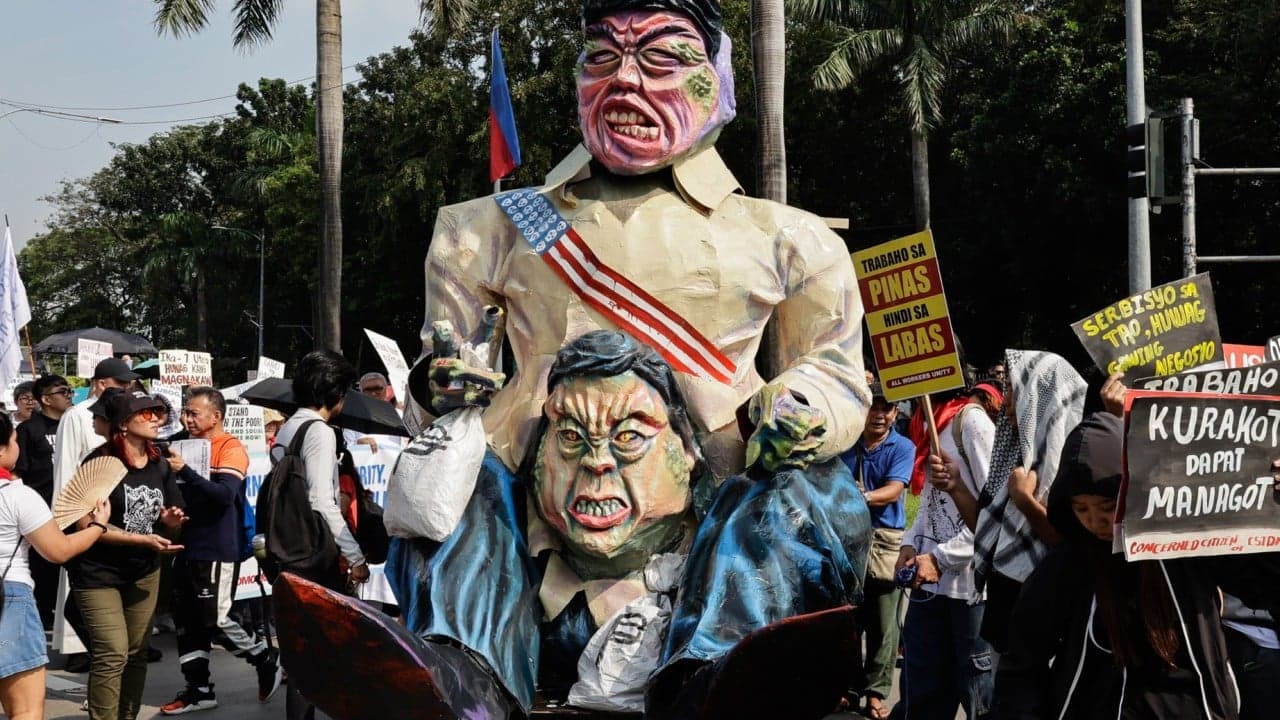
Mass Protests Erupt in Manila Over Flood Control Corruption
Thousands of Filipinos took to the streets of Manila on Sunday, demanding accountability in connection with a multibillion-dollar infrastructure scandal. The controversy surrounds allegedly corrupt practices in flood control projects, with accusations leveled against numerous officials, lawmakers, and owners of construction firms.
The protests come at a time of heightened public anger, following a series of devastating floods that have impacted communities across the archipelago nation of 116 million. Many accuse corrupt officials of siphoning funds intended for vital infrastructure, leaving communities vulnerable to increasingly severe weather events.
"Ghost Projects" Fuel Public Outrage
The scandal, often referred to as the "ghost flood control projects" controversy, centers on allegations that funds were allocated for projects that were never completed or were poorly executed. Critics argue that the lack of effective flood control measures has exacerbated the impact of recent typhoons, leading to widespread destruction and displacement.
"We are here to demand justice for the victims of the floods," said Maria Santos, a protest leader from a hard-hit province north of Manila. "Billions of pesos were allocated for these projects, but where did the money go? Our communities are underwater, and these corrupt officials are living in luxury."
Government Response and Security Measures
In response to the growing unrest, the Philippine National Police deployed approximately 17,000 officers to maintain order in Manila. Authorities have urged protesters to remain peaceful and have vowed to investigate the allegations of corruption thoroughly.
President Ferdinand Marcos Jnr has acknowledged the public's concerns and has promised to address the issue. In a statement released on Sunday, he stated, "We are committed to ensuring that those responsible for these alleged acts of corruption are brought to justice. We will not tolerate the misuse of public funds, especially when it comes to projects that are essential for the safety and well-being of our citizens."
Widespread Corruption Concerns
The flood control scandal is just the latest in a long line of corruption allegations that have plagued the Philippines for decades. Transparency International consistently ranks the country relatively low on its Corruption Perception Index, highlighting the pervasive nature of the problem.
Critics argue that corruption undermines economic development, erodes public trust, and perpetuates inequality. They are calling for systemic reforms to strengthen anti-corruption measures, improve transparency in government spending, and enhance accountability for public officials.
Looking Ahead
The protests in Manila are a clear indication of the public's frustration with corruption and its devastating consequences. As investigations into the flood control scandal continue, pressure will mount on President Marcos Jnr to deliver on his promises of accountability and reform. The coming weeks and months will be crucial in determining whether the government can restore public trust and address the underlying issues that have fueled this widespread anger.

